QuickTime handles basic Mac screen recording, but it falls short when you need professional output. Silent app demos, bloated file sizes, and amateur-looking videos cost you credibility with every recording you share.
Screen Studio features like automatic zoom, system audio capture, and webcam overlays transform your tutorials from basic to professional.
Here's exactly what QuickTime can't do and why it matters.
QuickTime vs Screen Studio Features Compared
| Feature | QuickTime | Screen Studio |
|---|---|---|
| System Audio (Apps/Computer) | ❌ Requires Plugins | ✅ Yes |
| Microphone Audio | ✅ Yes | ✅ Yes |
| Zoom During Recording | ❌ No | ✅ Automatic |
| Average 5-Min File Size | ~1GB | ~150MB |
| Webcam Overlay | ❌ No | ✅ Customizable |
| Automatic Cursor Smoothing | ❌ No | ✅ Yes |
| Professional Transitions | ❌ No | ✅ Built-in |
| Background Removal | ❌ No | ✅ AI-Powered |
1. System Audio Recording Without Plugin Hell
QuickTime's biggest failure? You can record your microphone, but capturing system audio (sounds from your apps and computer) requires third-party plugins like Soundflower or Blackhole.
When you're recording software tutorials, your audience hears your voice but misses all the app sounds, notifications, and audio feedback.
How to record system audio on Mac with Screen Studio:
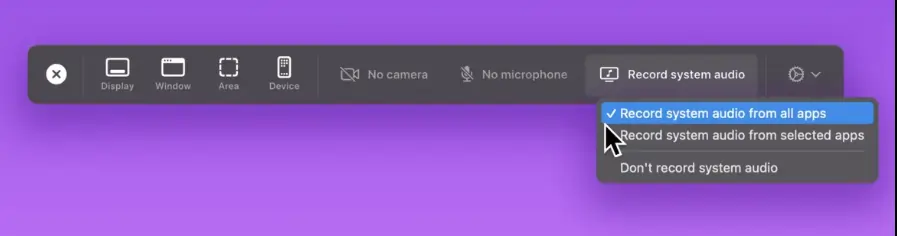
Your product demos need both your voice AND system sounds. QuickTime forces you into plugin hell—installing Blackhole, configuring audio MIDI setup, and troubleshooting when macOS updates break everything. Screen Studio captures everything your audience needs to hear.
2. Automatic Zoom That Follows Your Actions
Manual zooming in QuickTime? Good luck. You're stuck with static recordings that make small UI elements invisible on mobile screens.
How to zoom in screen recording Mac properly:
Product marketers using Screen Studio report 34% higher completion rates because viewers don't squint or give up trying to see tiny buttons. QuickTime leaves them guessing.
3. File Sizes That Don't Kill Your Storage
A 5-minute QuickTime recording eats 800MB-1.2GB of space. Record 10 demos and you've burned through 10GB before lunch.
Real File Size Comparison:
That's 85% smaller with better quality. Screen Studio's compression algorithm maintains 4K clarity while QuickTime bloats your hard drive with unoptimized footage. Your cloud storage costs drop immediately.
4. Professional Webcam Overlays Without Editing
QuickTime can't add your webcam to screen recordings. You're forced to choose between showing your face or your screen—never both.
Screen Studio nails this:
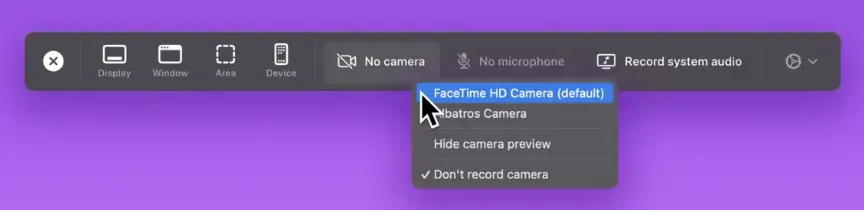
Poor video quality tanks brand trust by 62%. Prospects judge your product by your demo quality. QuickTime's amateur output screams “budget tool” while Screen Studio looks like you hired a video team.
5. Screen Studio Cursor Smoothing and Screen Studio Motion Effects
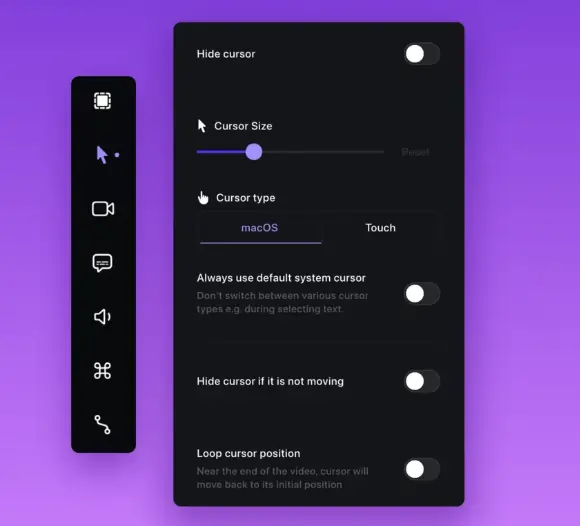
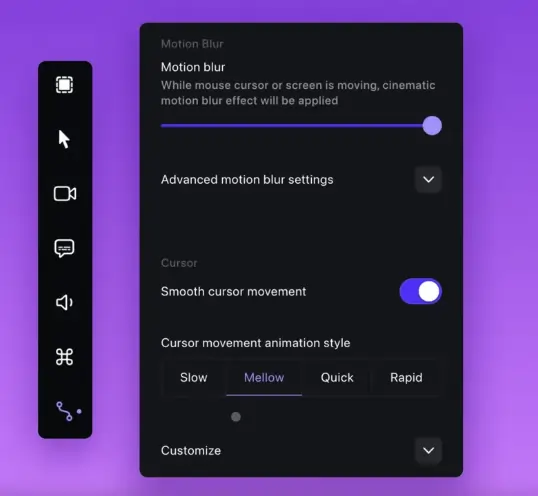
Your cursor jumps around frantically in QuickTime recordings. It looks nervous, unprofessional, and distracting.
Screen Studio's automatic cursor smoothing creates fluid movements that guide viewers naturally through your interface. Combined with subtle motion blur and automatic pacing adjustments, your recordings look intentional instead of chaotic.
File Size Reality Check
Here's what 20 tutorial videos cost you:
| Aspect | QuickTime | Screen Studio |
|---|---|---|
| Total Storage | ~20GB | ~3GB |
| Cloud Storage Tier | Premium/Paid Required | Free Tier Compatible |
| Monthly Cloud Costs | $4-8/month extra | $0 (fits free tier) |
| File Compression | Outdated/Unoptimized | 85% smaller with 4K quality |
You're paying premium storage fees for inferior quality. Screen Studio's compression saves money while improving viewer experience.
The Real Cost of QuickTime
QuickTime handles quick personal notes adequately. But sharing content externally? Its limitations scream “amateur operation” to your audience.
Missing native system audio means constant plugin troubleshooting. Gigabyte file sizes slow collaboration. Zero webcam overlay capability requires expensive editing software for basic features.
Screen Studio solves what QuickTime can't: native system audio, automatic zoom, professional overlays, and reasonable file sizes. Your demos should build credibility, not undermine it.